He Built a $3 Billion Company — Then Gave Away the Ownership
Yvon Chouinard's Patagonia succession plan divided economic ownership from voting control — and created one of the most unusual business-ownership structures in modern American corporate history.
In 2022, Yvon Chouinard and his family transferred 100% of Patagonia's stock into two new entities: a purpose trust holding all voting shares and a nonprofit holding all nonvoting shares. The ownership changed. The company kept operating.
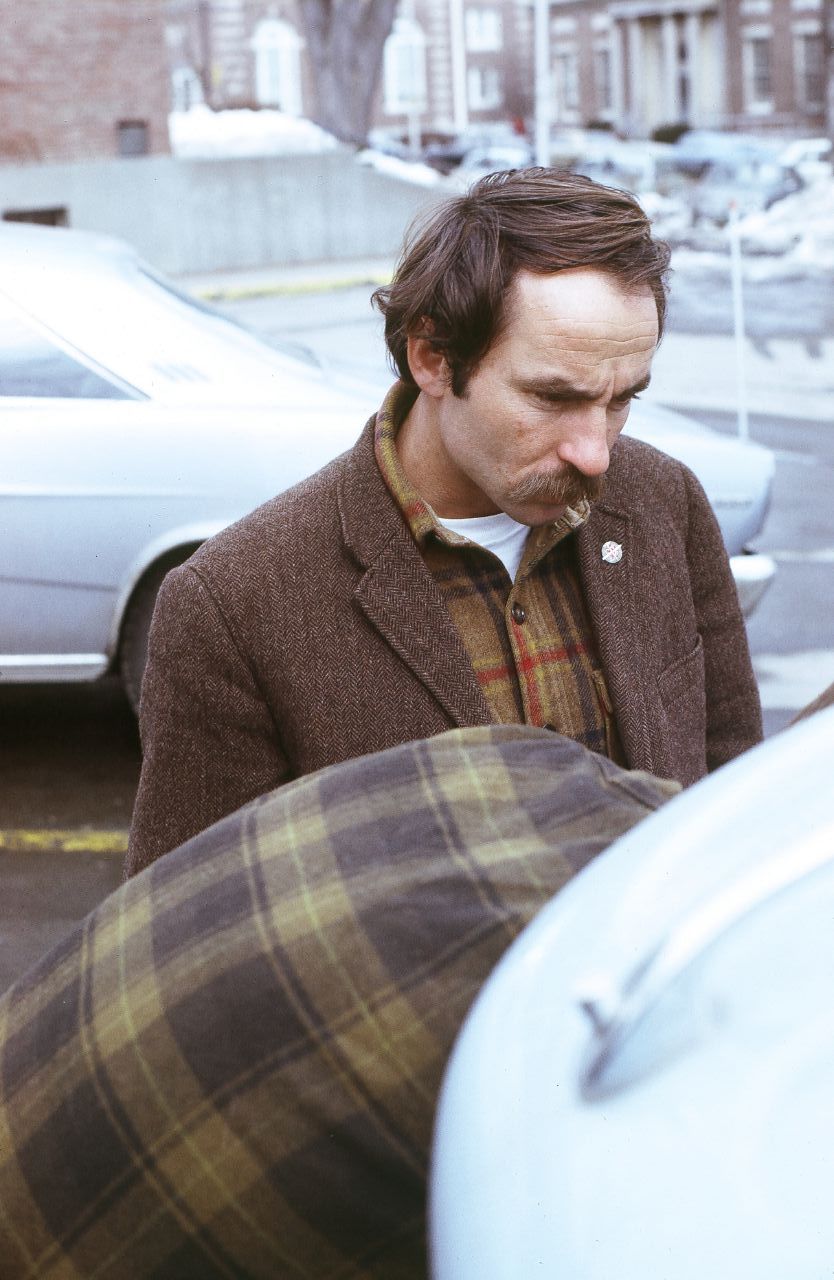
Photo: Peter Stevens / Wikimedia Commons — CC BY 2.0 · Photo cropped for layout.
Yvon Chouinard built Patagonia from a climbing-equipment business into one of the most recognizable outdoor brands in the world.
By 2022, outside reporting valued the privately held company at approximately $3 billion.
Then Chouinard and his family made an extraordinary decision: they transferred 100% of Patagonia's stock into two newly created entities. The family would no longer personally own the company, but Patagonia would remain a for-profit operating business.
This is not merely a philanthropy story. It is a story about ownership, control, succession, tax, and the future of a business. That makes it a Tax Fortune.
100% of the Stock Changed Hands
Patagonia states that its new owners are the Patagonia Purpose Trust and the Holdfast Collective.
The ownership was divided according to two different kinds of stock:
The Holdfast Collective owns 98% of Patagonia and all of the nonvoting stock, holding the company's economic value.
The Patagonia Purpose Trust owns 2% of Patagonia and all of the voting stock, holding governance control.
The economic rights and the voting rights went to different owners.
Why Split the Ownership?
Patagonia says the Purpose Trust was created to protect the company's values and mission.
Because the Trust owns all voting stock, it has the power to approve important governance decisions, including who sits on the board, changes to the company's legal charter, and changes affecting Patagonia's stated purpose and B Corp commitments.
The Holdfast Collective, meanwhile, owns the nonvoting shares that carry most of the company's economic value.
This created a structure where control and economic benefit were deliberately separated.
Patagonia Did Not Become a Nonprofit
This distinction is important: Patagonia itself remains a for-profit business, Certified B Corp, and California Benefit Corporation.
It still sells products, employs people, and needs to operate profitably. The ownership changed; the operating company did not disappear.
Patagonia says money left after reinvesting in the business can be distributed to the Holdfast Collective.
The Tax Structure
The two transfers did not receive identical tax treatment.
The Holdfast Collective is organized as a 501(c)(4) nonprofit. Reporting at the time noted that donations to a 501(c)(4) generally do not create the charitable income-tax deduction that donations to many 501(c)(3) charities can create.
Fortune reported that the family did not receive a personal charitable income-tax write-off for transferring the nonvoting shares to the Holdfast Collective.
The 2% voting-stock transfer to the Patagonia Purpose Trust had a different tax consequence. Fortune reported, citing Bloomberg estimates, that the transfer of those voting shares was expected to generate approximately $17.5 million in gift tax.
Note: $17.5 million is a reported estimate associated with the voting-share transfer, not an independently verified final tax return figure.
Why Not Just Sell Patagonia?
Patagonia says the family considered selling the company, but Chouinard said they were concerned that a buyer might not preserve Patagonia's values or employees.
They also considered taking the company public. Instead, they created their own succession structure.
The real question was: how do you transfer a multibillion-dollar business without losing control of its purpose? The ownership structure was the answer they chose.
Who Controls Patagonia Now?
Patagonia says the Chouinard family will continue to guide the Patagonia Purpose Trust. Family members also continue to serve on Patagonia's board.
But the family no longer personally owns the company stock.
Guiding the trust is not the same as personally owning the company. The family retains an important governance role through its involvement with the Purpose Trust and board.
The Money Keeps Flowing
Patagonia says that money generated by the company after reinvestment and appropriate reserves can be distributed to the Holdfast Collective.
Patagonia's 2025 progress reporting states that approximately $180 million had been paid to the Holdfast Collective since the ownership transition in 2022.
This means the new ownership structure was not merely symbolic — it created an ongoing destination for excess business profits.
The company stayed. The ownership changed.
The Tax Fortunes Lesson
Do not frame this story simply as 'a billionaire avoided taxes' or 'a billionaire gave everything to charity.' Both miss the actual structure.
The Tax Fortunes lesson is that ownership itself can be designed.
A founder considering succession faces critical questions: Should the business be sold? Pass to heirs? Be owned by employees? Be controlled by a trust? Should economic ownership and voting control be separated? Where should future profits go? Who controls the company after the founder is gone? What taxes arise when ownership is transferred?
Those decisions determine what happens to a fortune for generations. That is the Tax Game.
Tax Fortunes summarizes publicly reported information for educational and journalistic purposes. The approximately $3 billion valuation and approximately $17.5 million gift-tax figure were reported estimates, not independently verified by Tax Fortunes from the family's confidential tax filings. Tax and succession consequences depend on individual facts, ownership structures, valuations, and applicable law. This article is not individualized tax, legal, accounting, investment, charitable-planning, or estate-planning advice.
Sources & Notes
- Patagonia — Ownership: Yvon Chouinard Donates Patagonia to Fight Climate Crisis
- Patagonia — Work in Progress / 2025 Progress Report
- Fortune — reporting on the Patagonia ownership transfer and estimated tax consequences
- Forbes — analysis of the Patagonia Purpose Trust
- Wikimedia Commons — Yvon Chouinard photograph
The tax game starts long before ownership changes.
Business succession depends on knowing what the company owns, what the owners own, basis, equity, distributions, intercompany transactions, assets, liabilities, and years of clean financial records. The structure may be sophisticated. The evidence underneath it still starts with the books.
More from the feed